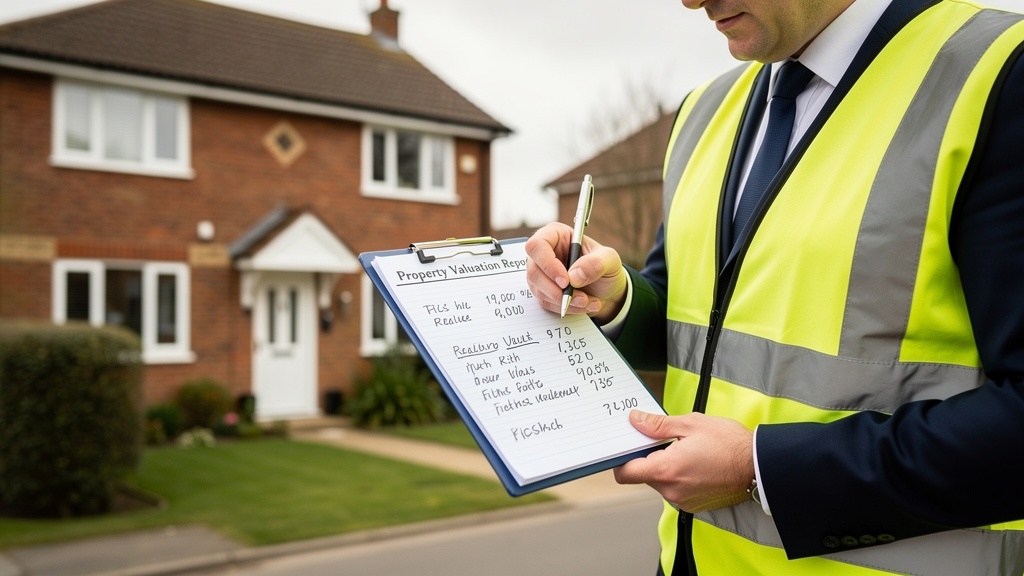
Many property owners in Chelmsford and Essex have heard the term "RICS valuation" — but there's often confusion about what it actually means, who carries it out, and when you need one. As a RICS registered valuer based in Chelmsford, this is something I deal with every day. Let me explain it clearly.
What Is an RICS Valuation?
An RICS valuation is a formal, written opinion of a property's value, prepared by a qualified RICS registered valuer in accordance with the RICS Valuation — Global Standards (the "Red Book"). It's a legally robust document that can be relied upon by lenders, courts, HMRC, and other official bodies.
This is fundamentally different from an estate agent's informal valuation (which is free, usually optimistic, and not legally binding) or a mortgage lender's internal valuation (which is for the lender's benefit, not yours).
When Do You Need an RICS Valuation?
There are many situations where an RICS valuation is either required or strongly advisable:
1. Help to Buy Scheme
The Help to Buy equity loan scheme requires an RICS valuation to establish the open market value of the property. This determines the equity loan amount. Read our related article: Help to Buy in Essex: Do You Still Need a Survey?
2. Probate and Estate Administration
When someone dies, HMRC requires an accurate valuation of their property for inheritance tax purposes. An RICS probate valuation provides a defensible figure — crucial if HMRC challenges the value. We carry out probate valuations sensitively and promptly across Chelmsford and Essex.
3. Matrimonial and Divorce Proceedings
When a couple divorces and the family home needs to be valued for division of assets, both parties (or the courts) typically require an independent RICS valuation. This provides a neutral, professional figure that both parties can rely on.
4. Shared Ownership Valuations
Shared ownership leaseholders who wish to purchase additional shares (staircasing) or sell their share require an RICS valuation to establish the current open market value.
5. Capital Gains Tax
If you're selling a property that isn't your main residence (a rental property, for example), you may need an RICS valuation to establish the base cost for capital gains tax purposes — particularly if you need to establish the value at a specific historical date.
6. Retrospective and Historical Valuations
Sometimes you need to know what a property was worth at a specific point in the past. We can prepare historical valuations using comparable market evidence from the relevant period.
What Makes a Good RICS Valuation?
A rigorous RICS valuation involves a physical inspection of the property, research into comparable market transactions, and the application of professional judgement — all documented clearly in the written report. A good valuer doesn't just apply a formula; they exercise genuine expertise in the local market.
Tom Greenfield has carried out RICS valuations across Chelmsford and Essex for over 10 years. His deep knowledge of the local property market — including the nuances of different areas, property types, and market conditions — means our valuations are accurate, well-reasoned, and defensible.
The physical inspection typically takes 1–2 hours. The written report is usually delivered within 5 working days of the inspection. We can offer faster turnaround in urgent cases — please mention this when enquiring.
No — they're different things. A mortgage valuation is carried out by the lender's own surveyor purely to confirm that the property is adequate security for the loan. It's not provided to the buyer and it's not an independent assessment. An RICS valuation from Chelmsford Surveyor is entirely independent and prepared on your behalf.