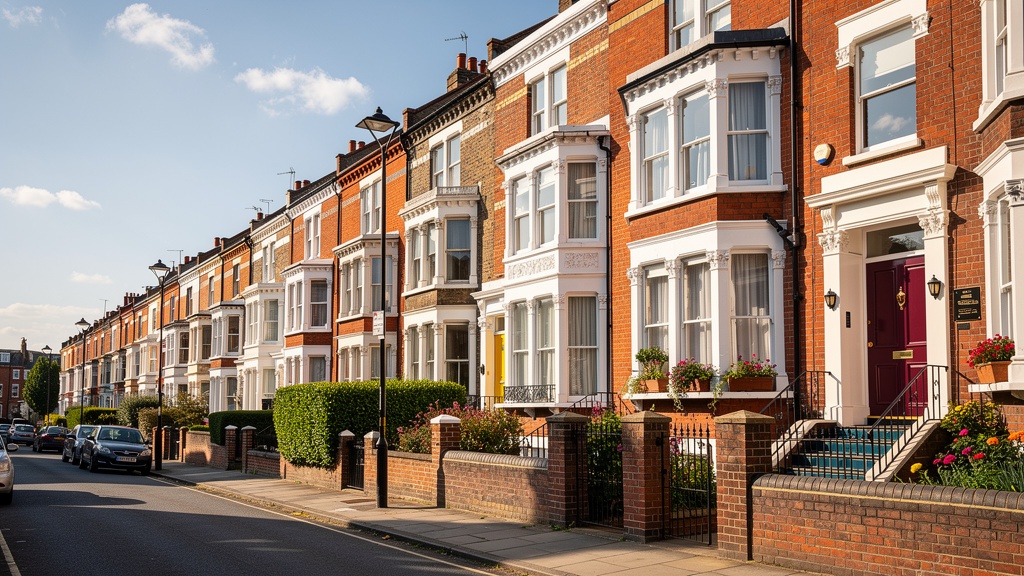
Chelmsford is home to some genuinely beautiful Victorian and Edwardian properties. Red-brick terraces, bay windows, ornate cornices, high ceilings — there's a reason people fall in love with these homes the moment they walk through the door. I've surveyed hundreds of them across Essex, and I absolutely understand the appeal.
But as a Chelmsford surveyor who specialises in older properties, I'd be doing you a disservice if I didn't tell you the full picture. Victorian homes come with specific challenges that simply don't apply to modern construction. If you're considering purchasing a property built before 1900 — or even before 1930 — here's what you need to know.
Why Victorian Properties Need a RICS Level 3 Survey
I'll say this plainly: if you're buying a Victorian or Edwardian property in Chelmsford, you should almost always commission a RICS Level 3 Building Survey. A Level 2 HomeBuyer Report simply isn't designed for this kind of property. Victorian homes have complex, solid-wall construction, aging materials, and a century or more of repairs, alterations, and accumulated wear that requires detailed analysis.
A few years ago, I surveyed a beautiful four-bedroom Victorian end-of-terrace in central Chelmsford for a young family. On the face of it, it was immaculate — freshly painted, renovated kitchen, new bathroom. But my Level 3 survey found: extensive dry rot under the ground floor floorboards (hidden by new engineered flooring); a chimney stack in dangerous condition; old knob-and-tube electrical wiring behind the plasterwork; and evidence of previous flooding in the cellar. Total estimated remediation costs: over £30,000. The family renegotiated the purchase price accordingly — and went ahead with confidence.
The Top Defects Found in Victorian Chelmsford Properties
1. Damp in Solid Walls
Victorian houses are built with solid brick walls — typically 9 inches thick — rather than the cavity walls used in modern construction. Solid walls don't have the same built-in moisture barrier, making them susceptible to penetrating damp. Over time, defective pointing, cracked render, and aged lead flashings can all let water in.
Signs of damp to look for include: tide marks on internal plasterwork, musty smells, peeling or blistered paint, and dark staining on walls. Our guide to damp explains the different types in detail.
2. Timber Defects
Victorian homes have a lot of timber — floor joists, roof timbers, window frames, doors. Over 100+ years, that timber has been through a lot. The most common issues I find are: woodworm infestations (usually in floor joists and roof timbers), dry rot (typically in areas with persistent damp), and wet rot (in window frames and external joinery).
3. Roof and Chimney Issues
Original Victorian slate roofs are often nearing the end of their serviceable life, and many have been re-covered at some point — sometimes with incompatible materials. Chimney stacks are a particular concern: the mortar and lead flashings that seal them often fail, and the stacks themselves can become structurally unstable. Always check the roof and chimneys on any Victorian property.
4. Electrics and Plumbing
Victorian properties still sometimes have old wiring (rubber-sheathed or even early PVC cables from the 1950s–70s) and lead or early copper pipework. These aren't always dangerous, but they do need careful assessment. A full electrical installation condition report (EICR) is always worthwhile on an older property.
5. Historical Alterations
Victorian properties have often been altered, extended, and modified over decades. Some of these alterations are well-executed; others are less so. Common issues include: poorly built extensions without proper foundations; removal of load-bearing walls without adequate support; and inappropriate materials used in modernisation works. Our Level 3 surveys always look carefully at any modifications to the original structure.
The Good News: Victorian Homes Are Built to Last
I don't want to put you off Victorian properties — I genuinely love them. The good news is that, despite their age, well-maintained Victorian homes are often structurally sound. They were built with quality materials and traditional skills that have stood the test of time. Many of the issues I find are maintenance-related rather than structural, and they're entirely fixable.
The key is knowing what you're getting into before you buy. A thorough Level 3 Building Survey gives you exactly that — full information, clear repair advice, and the confidence to proceed or renegotiate.
Related Reading
- Level 2 vs Level 3 Survey: Which One Do You Need?
- 10 Warning Signs of Subsidence
- Damp in Your Home: How to Spot It
- Woodworm, Dry Rot, and Wet Rot Explained
In almost all cases, yes. Victorian properties have complex construction and aging materials that require detailed assessment. A Level 2 survey may not identify many of the defects that are common in these homes. We always recommend a Level 3 for pre-1930 properties.
Solid brick walls typically have a lower insulation value than modern cavity walls with insulation. However, a well-maintained solid-wall Victorian home can perform surprisingly well thermally. Options for improving energy efficiency include internal or external wall insulation — though each comes with its own considerations for period properties.
It depends on the nature and severity of the issues. Minor maintenance defects are unlikely to affect mortgage approval. More serious structural issues — particularly subsidence, major roof problems, or dangerous electrics — may require remediation before a lender will proceed. Your surveyor's report and the lender's valuation both play a role in this determination.