Of all the defects I find as a Chelmsford surveyor, damp is the one I encounter most often. It affects homes of all ages — from Victorian terraces to modern estates — and it's also one of the most commonly misdiagnosed issues in the industry. I've seen homeowners spend thousands on unnecessary damp-proofing treatments that addressed the wrong type of damp entirely.
So here's a clear, practical guide to the different types of damp, how to spot them, what causes them, and — crucially — what to do about them.
The Three Main Types of Damp
1. Rising Damp
Rising damp occurs when groundwater travels upwards through masonry by capillary action. It's most common in older properties where the original damp-proof course (DPC) has failed, is absent, or has been bridged.
Signs: Tide marks on internal walls (usually up to 1 metre from the floor level), salting and crystalline deposits on plasterwork, peeling wallpaper or paint near the floor, and a distinctive musty smell.
Important note: True rising damp is actually less common than many damp-proofing companies suggest. Many cases attributed to rising damp are actually penetrating damp or condensation — a distinction that matters enormously for the correct remedy.
2. Penetrating Damp
Penetrating damp is caused by water entering through defects in the building fabric — a leaking roof, defective pointing, cracked render, failed flashings, or damaged gutters. Unlike rising damp, it isn't limited to the lower section of walls and often appears at any height.
Signs: Damp patches that worsen after rain, concentrated around specific elements (windows, chimneys, rooflines), often accompanied by staining or mould growth. The patches may dry out in dry weather.
Remedy: Fix the defect that's letting water in. This might be repointing, replacing flashings, clearing gutters, or repairing the roof. No amount of damp-proofing will fix the problem if the source of water ingress isn't addressed first.
3. Condensation
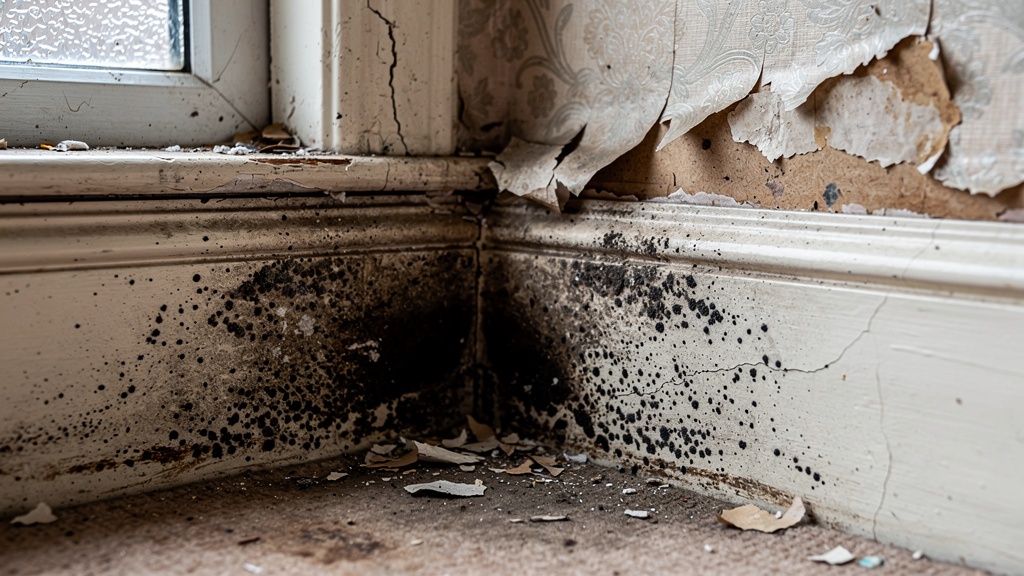
By far the most common type of moisture problem in UK homes. Condensation occurs when warm, moisture-laden air meets a cold surface — most often walls, windows, and cold corners. It causes mould growth and is commonly mistaken for other types of damp.
Signs: Mould on walls and ceilings (particularly in corners, behind furniture, and around windows), streaming windows, musty odours. Unlike penetrating damp, it isn't usually related to rainfall.
Remedy: Improve ventilation, reduce moisture sources (cooking, bathing, drying clothes indoors), and address cold bridges where possible. In severe cases, a whole-house ventilation system (MEV or MVHR) may be recommended.
How Our Surveys Identify Damp
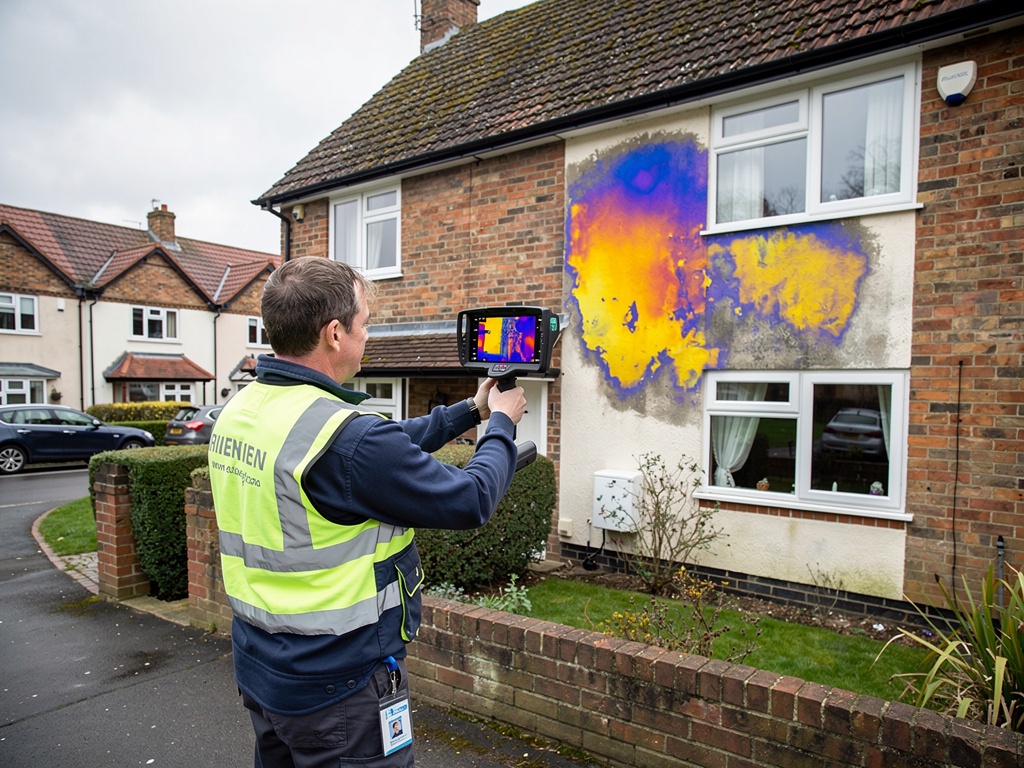
At Chelmsford Surveyor, we use calibrated electronic moisture meters as part of our survey process. These allow us to take precise moisture readings across the property and identify areas of elevated moisture that may not be visible to the naked eye.
Importantly, we also make sure to interpret those readings correctly — distinguishing between the different types of damp and identifying the underlying cause, not just the symptom. That's a distinction that can save you a significant amount of money.
Should a Survey Pick Up All Damp?
A survey is a visual inspection — it identifies evidence of damp that is present or has been present at the time of inspection. Some damp issues may only be apparent after rainfall (penetrating damp) or in colder weather (condensation), so the timing of the survey can affect what is and isn't visible. That's why our surveyors always ask about the property's history and note any seasonal or weather-related patterns reported by the vendor.
Related Articles
- Buying a Victorian Property in Chelmsford
- 10 Warning Signs of Subsidence
- Timber Defects: Woodworm, Dry Rot and Wet Rot
- Level 2 vs Level 3 Survey
For a genuine rising damp problem, a chemical injection DPC and re-plastering typically costs between £1,000–£3,000 for a single wall, rising to £10,000+ for an extensive treatment. However, always get an independent diagnosis first — many 'rising damp' treatments are carried out unnecessarily.
It's not uncommon for vendors to paint over damp patches or place furniture strategically. However, our moisture meters can detect elevated moisture levels even through fresh paint, and we always move furniture and check behind it where possible. A thorough Level 3 survey is much harder to 'fool' than a quick visual check.
Not necessarily. Minor damp issues are common in older properties and can often be resolved relatively cheaply. The key is understanding the cause, extent, and likely cost of remediation — which is exactly what a good survey will tell you. Armed with that information, you can make an informed decision about whether to proceed and at what price.