A question I'm often asked is: "What exactly does a surveyor do during the inspection?" It's a fair question. You're about to spend hundreds of pounds on a survey, and it's entirely reasonable to want to know what you're getting for your money.
As a Chelmsford surveyor who has carried out hundreds of surveys across Essex, let me walk you through a typical inspection — from the moment I arrive outside the property to the moment I leave. This is what a thorough building survey actually looks like.
Before Going In: The External Inspection
Before I enter a property, I always spend time on the outside. A lot can be learned from a careful external inspection that's easy to miss from inside.
What I'm looking at: The overall condition and profile of the roof — any obvious sagging, misalignment, or missing materials. The condition of the chimney stacks. The external walls — looking for cracks (especially diagonal cracks at door and window corners), bulging, or areas of different construction that might indicate repairs. Gutters and downpipes — any blockages, cracks, or sagging. Windows and doors — condition of frames, pointing around reveals, drainage. Ground levels around the property — whether they've risen above the DPC level.
The Roof Space
Where safe access is possible, I always inspect the roof space. This is one of the most informative areas of any property, and it's often where significant issues are hiding.
What I'm looking for: The condition of the roof structure — rafters, purlins, ridge board, and any hip or valley timbers. Evidence of water penetration — staining, dampness, or active leaks. Timber defects — woodworm, rot, or inadequate repairs. The condition of any insulation and whether it meets current standards. Ventilation and any signs of condensation in the roof space.
Room by Room: Internal Inspection
Working systematically through the property, I inspect each room methodically:
Walls and Ceilings
I look at every wall and ceiling surface, looking for cracks (particularly diagonal or stepped cracks that suggest structural movement), damp staining, mould, and any evidence of previous repairs or concealment. I take moisture meter readings where elevated moisture is suspected.
Floors
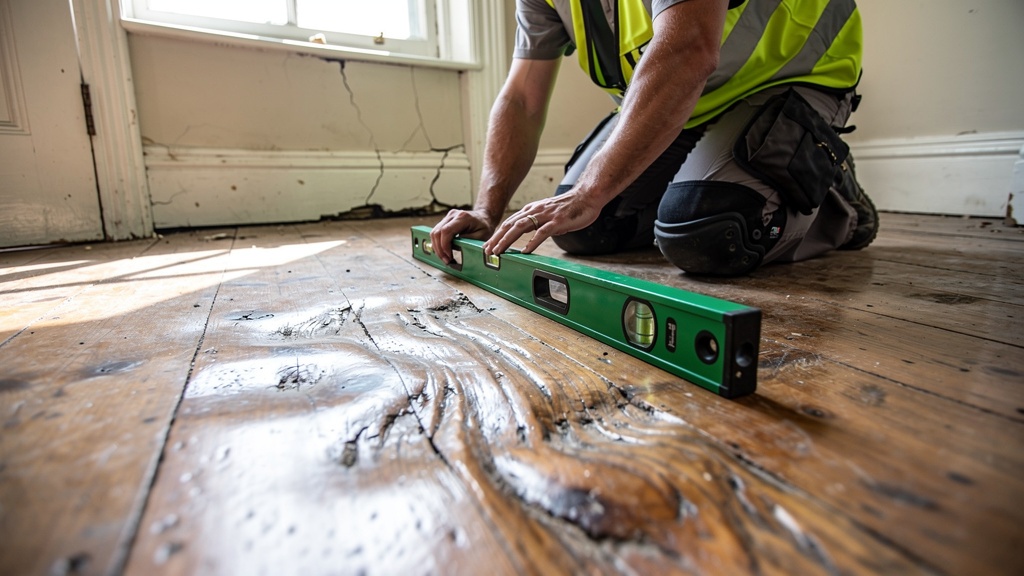
I walk the floors systematically, checking for bounce (which can indicate timber decay or inadequate joists beneath), uneven levels (which can suggest structural movement or settlement), and any soft spots. Where possible, I check under floor coverings for evidence of damp or timber condition.
Windows and Doors
I check every window and door — opening and closing each one (where possible) to check for distortion indicating structural movement, inspecting the frames and sills for rot or deterioration, and checking the seals and condition of double glazing.
Services
I carry out a visual, non-invasive assessment of the electrical installation, gas installation, and plumbing. I'm not a specialist services engineer, but I can identify obvious concerns — old wiring systems, non-compliant installations, or signs of recent DIY work — and flag these for specialist attention.
The Inspection from the Outside Again
At the end of the inspection, I always do a final external walk-around to make sure I haven't missed anything and to review any findings with fresh eyes. Sometimes a second look reveals something that wasn't obvious at first.
Tools of the Trade
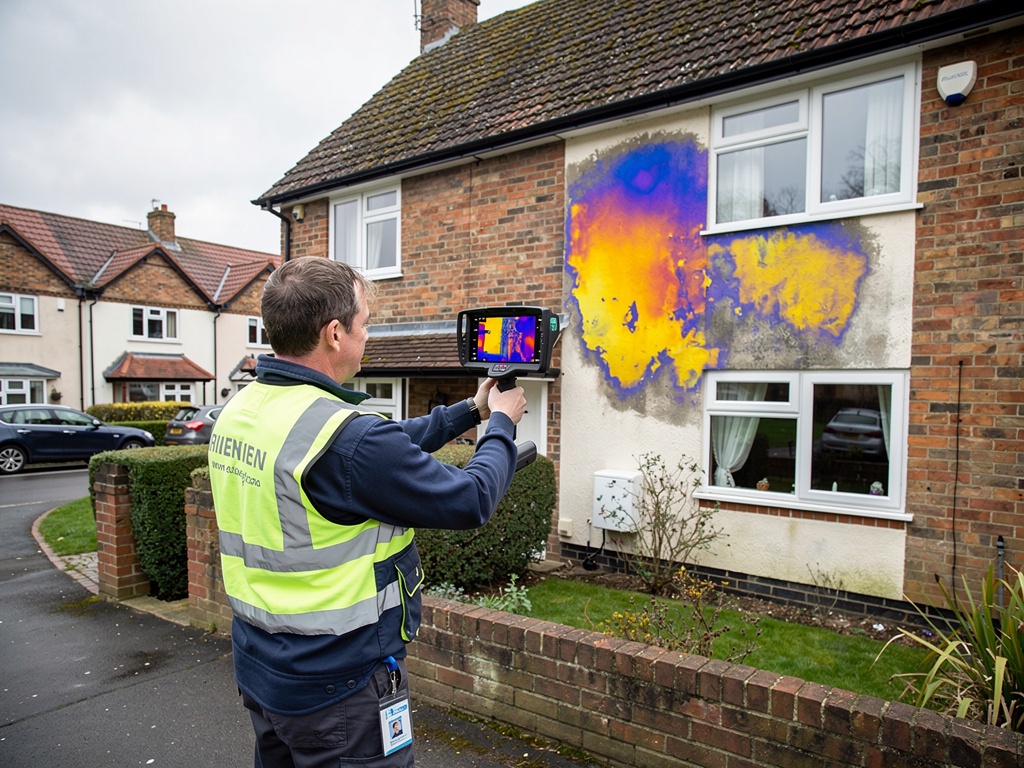
During a survey, I use a range of tools to supplement my visual inspection: a calibrated electronic moisture meter for damp detection; a bradawl for probing timber; a torch and inspection mirror for dark or inaccessible areas; binoculars for inspecting roof coverings and chimney stacks from ground level; a spirit level for checking floor levels; and increasingly, thermal imaging camera technology to identify hidden moisture and heat loss.
After the Inspection
After the site inspection, the real work begins. I review my notes and photographs, research comparable evidence and local knowledge, and write the report. Every finding is clearly explained, rated for severity, and — where appropriate — accompanied by advice on likely cause and remedy.
When the report is delivered, I'm available for a follow-up call to talk you through the findings in plain English, answer your specific questions, and help you understand what the survey means for your purchase. That's the service we're proud to offer at Chelmsford Surveyor.
Related Articles
- Level 2 vs Level 3 Survey: Which Do You Need?
- 10 Warning Signs of Subsidence
- Damp in Your Home Explained
- Common Roof Defects in Essex Properties
Absolutely — and we'd encourage it, at least for the latter part of the inspection. Being there when the surveyor can walk you through their findings in person is genuinely valuable. You don't need to follow the surveyor around the entire time — but joining towards the end of the inspection is always welcome.
Our survey includes a visual, non-invasive assessment of services. We're looking for visible concerns — old or non-compliant systems, obvious DIY work, damaged equipment. We don't carry out an electrical installation condition report (EICR) or a gas safety check — these are specialist services that we can recommend separately where necessary.
We'll tell you clearly in the report — with a Condition Rating 3 for urgent matters — and explain what it means, what needs to be done, and roughly what it might cost. We're then available for a follow-up call to talk you through the options. Some buyers use serious survey findings to renegotiate the price; others decide to walk away. Our job is to give you the information you need to make the right decision for you.